
Understanding How to Prevent Flakes & Maintain Scalp Health
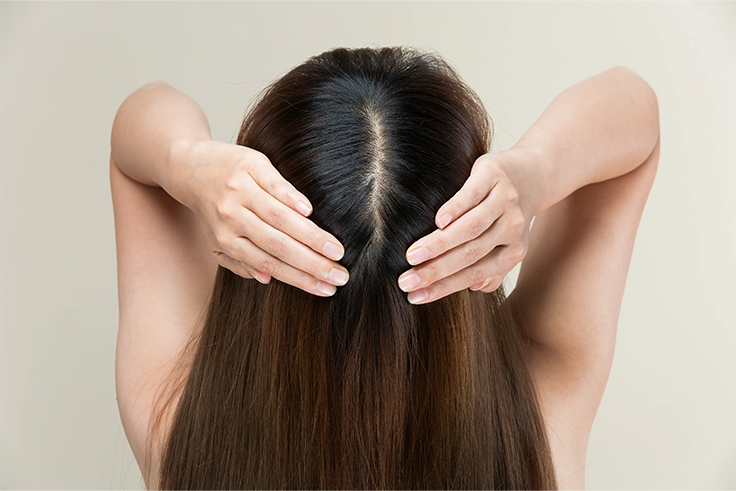
White flakes in hair stress several people. Some believe it is always dandruff, but that is false. Common confusion comes from dandruff versus dry scalp since both produce a flaky scalp and itching. The flakes result from the variation between dandruff and dry scalp. One results from too much oil; the other is caused by drought. Not knowing the reason could lead you to apply the incorrect medication. Often, that increases the difficulty in managing scalp issues.
What Is Dandruff? Causes, Symptoms, & Types
Excessive oil on the scalp and enhanced scalp yeast activity result in the scalp disease known as dandruff. It results in itching and noticeable dandruff flakes. Common dandruff symptoms include oily white or yellow flakes that remain on the scalp or hair. This type is often referred to as oily dandruff.
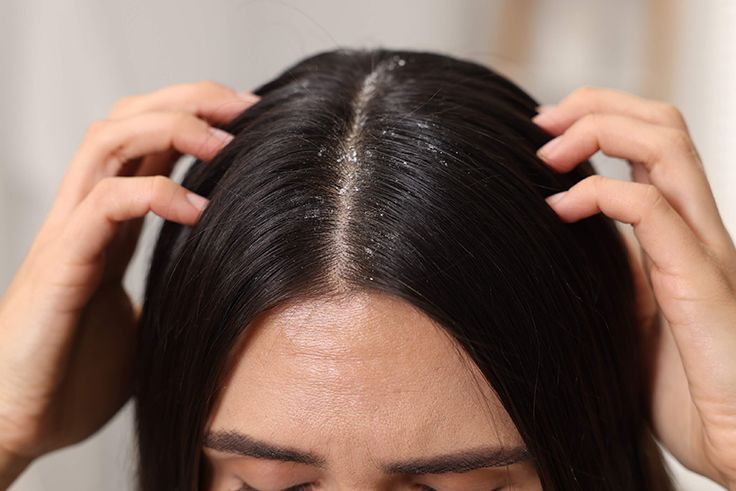
The excess oil allows yeast to grow faster and disrupt normal skin shedding. This process produces flaking and irritation called seborrheic dandruff. Stress, subpar scalp care, and thick styling products can exacerbate itchy scalp dandruff and hasten flake accumulation.
What Is Dry Scalp? Causes, Symptoms, & Care
Dry scalp results from the scalp's lack of water retention and inability to maintain hydration. It's a skin condition, not an oil issue. Typical dry scalp symptoms include small white flakes, moderate itching, and tightening. These dry scalp flakes are brittle and drop off easily.
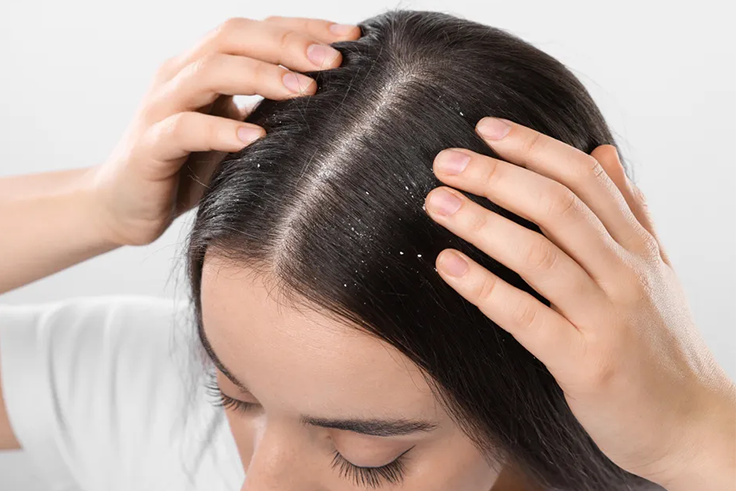
The primary cause is absence of moisture. Scalp dryness is frequently brought on by cold weather, dehydration, and scalp imbalance; regular hair washing; and strong shampoos. Usually with dry skin on the scalp, those with dry scalp can also see dryness on their body or face. Seasonal changes can exacerbate the illness, more so in dry regions or winter.
Dandruff vs Dry Scalp: How to Tell the Difference
While flakes usually cause confusion, comparing the scalp condition, etiology, and texture helps to distinguish dandruff from dry scalp. This contrast enables one to select the appropriate treatment and prevent incorrect ones.
| Factor | Dandruff | Dry Scalp |
|---|---|---|
| Flake Type | Large, oily dandruff flakes | Small, dry scalp flakes |
| Scalp Condition | Oily, irritated scalp | Tight, dry scalp |
| Main Cause | Yeast growth with excess oil | Lack of moisture |
| Flaking Reason | Oil imbalance and yeast | Dehydration and scalp dryness |
| Itching Level | Moderate to strong | Mild |
| Oil Response | Oiling can worsen flakes | Light oil usually helps |
This scalp condition comparison clearly explains common flaking scalp causes in a practical way.
How to Identify Your Scalp Type at Home?
Many people search how to know if you have dandruff or dry scalp before buying hair products. You can do a simple check at home by watching how your scalp and flakes behave during the day. This method does not need tools or treatments.
Simple Scalp Type Check :
Check the flakes on your shoulders. Sticky or yellowish flakes usually help identify dandruff
Look at the flake texture. Fine, white, powder-like flakes help identify dry scalp
Touch your scalp a day after washing. A greasy feel points to dandruff
Notice scalp comfort. Tightness after washing often signals dry scalp
These signs of dandruff and signs of dry scalp make a basic scalp type check easy and practical.
Simple Steps for Dandruff Control
Many individuals seek dandruff therapy that is effective without overuse. The key is to manage yeast on the scalp with a basic regimen and control oil. Consistency counts more than quick remedies.
- Use a shampoo designed to treat dandruff and an oily scalp
- Select formulations containing zinc pyrithione to improve flake management
- Refrain from using too much scalp oil
- To maintain equilibrium, follow a consistent washing schedule
- To avoid residual products, make sure you wash completely
These actions aid in dandruff management and support strong, balanced scalp care.
How to Moisturize a Dry Scalp?
Dry scalp treatment aims at slowly replenishing water. Using strong products can worsen dryness, hence a straightforward, regular schedule is ideal.
Simple daily care
- Choose a sulfate-free shampoo for delicate cleaning
- Before shampooing, lightly oil the scalp to prevent dryness
- Hair washing should be done in warm water, not hot
- To help scalp moisture, consume enough water
Regular moisturizing scalp care together with delicate hair treatment steadily lessens flakes and maintains the scalp pleasant.
Common Mistakes That Worsen Flakes
Little everyday activities can worsen minor flaking. Avoid these errors in scalp care to keep your scalp in good shape.
- Choosing the inappropriate shampoo for your hair type
- Over-washing of hair with abrasive cleaners
- Applying thick oil to a scalp prone to dandruff
- Scratching strongly irritates the scalp by flaking
These dandruff errors and dry scalp care errors may worsen irritation and promote product buildup on the scalp, therefore making flakes more difficult to control.
Get Personalized Scalp Care for Healthy & Flake-Free Hair
Learning the difference between dry scalp and dandruff enables you to cure flakes appropriately instead of speculating. Both conditions look similar but need different routines. Observing your scalp, flakes, and oil levels makes a real difference. If flakes persist or irritation continues, seeing a professional can help. The strategy at Bonitaa Skin and Hair Care Clinic focuses on improving scalp health using regimens tailored to actual scalp needs. Following the right care steps consistently keeps your scalp comfortable, reduces flakes, and supports long-term hair and scalp health.

