
Early Tips to Improve Hair Growth & Prevent Breakage

Millions of people all around are affected by hair fall, which raises questions regarding self-confidence and appearance. But is hair fall reversible? The kind of hair loss, its root cause, and how rapidly you act will all determine the solution. Early sign detection and prompt action can greatly help to halt progression and promote regeneration. We examine the usual reasons for hair fall, review successful therapies, and provide doable actions to keep strong, healthy hair in this essay.
Understanding Hair Fall and Its Impact on Growth
Hair thinning is seen by several people without understanding the causes. While genetics may provide the background, other things affect daily shedding. Knowing what causes hair loss will help one to make sensible actions to preserve hair's vitality.
- Genetic Factors: Family history influences growth patterns.
- Hormonal Changes: Shifts may be triggered by pregnancy, menopause, or thyroid imbalance.
- Nutritional Gaps: Iron deficiency, zinc, protein, or vitamins make hair weaker.
- Lifestyle & Stress: Growth is influenced by sleep problems, stress, cigarettes, and pollutants.
- Scalp Health: Follicle health can be damaged by dandruff or little infections.
Knowing these causes lets you act early and so save your hair before it starts to show signs of damage.
Temporary vs Permanent Hair Fall
| Factor | Temporary Hair Fall | Permanent Hair Fall |
|---|---|---|
| Cause | Stress, illness, nutritional deficiencies, hormonal changes | Androgenic alopecia, scarring alopecia |
| Reversibility | Usually reversible within 3–6 months with proper care | Rarely reversible; may require medical or advanced treatment |
| Hair Texture | Hair typically grows back with normal texture | Follicles may shrink, producing thinner hair or bald patches |
| Treatment Approach | Lifestyle adjustments, balanced nutrition, gentle hair care | Medical treatments, PRP therapy, hair transplant |
| Importance of Early Intervention | Very high, quick action supports regrowth | Critical, early care helps but may not fully restore hair |
Treatment & Prevention Strategies for Hair Fall
Hair fall control includes targeted treatments as well as preventative practices. Early, consistent care promotes follicles and boosts regeneration.
- Medical Options Topical minoxidil, oral finasteride, or PRP therapy help to reinforce roots. Consult a dermatologist before starting.
- Hair & Scalp Care: Regular scalp checks, soft cleaning, and staying away from strong chemicals help to stop damage.
- Dietary Support: Iron deficiency, zinc, protein, or vitamins make hair weaker.
- Lifestyle & Stress Essential nutrients for hair include proteins, iron, biotin, and vitamin D.
- Lifestyle Habits:To promote hair development, handle stress, get enough sleep, and remain active.
Simple, realistic solutions improve hair strength significantly and slow down the thinning process.
Early Warning Signs of Hair Fall
Often beginning gently, hair loss is best caught early on. Be alert for variations that could suggest your hair is thinning more than normal or becoming weaker.
- Thinning Hair: The hair along your crown or hairline seems clearly thinner.
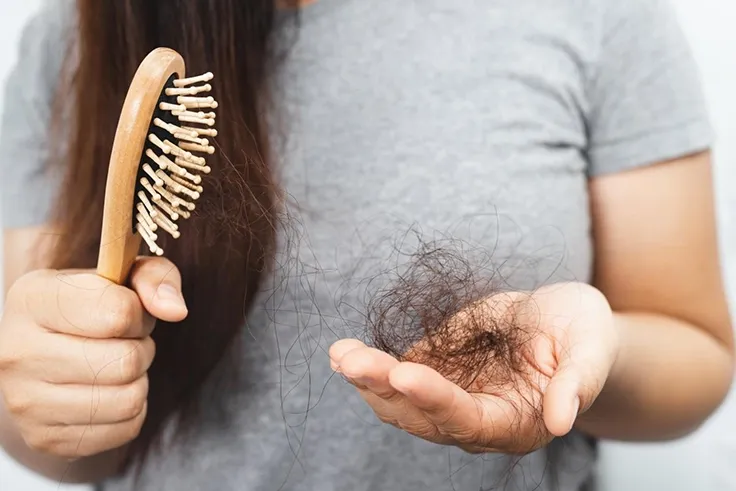
- More Shedding: You notice more hair in your shower drain, comb, or brush than usual.
- Bald Patches: Little or irregular patches missing hair.
- Scalp Issues: Scalp issues could be indicated by constant itching, redness, or flaking.
- Early Warning Signs: Paying attention to these changes early can help you seek timely professional advice and prevent further hair loss.
When One Should Look for Professional Help
Normal hair fall is possible, but certain indications suggest it's time to get examined. More than usual in your brush or shower, you may detect little bald patches or have an itchy, red, or flaky scalp despite regular care. You might see more hair than usual.
If hair keeps falling even with a balanced diet, proper sleep, and managing stress, consult a dermatologist or hair specialist. Early assessment helps you find the source, enables quick therapy, and raises your chances of maintaining your hair's condition.
Say Goodbye to Hairfall with Professional Hair Care Treatments
Hair fall is not always permanent. Early treatment including good nutrition, regular care, and directed therapy can help many situations to improve. Identifying the indicators and acting quickly helps keep hair healthy in a tangible way. At Bonitaa Skin & Hair Clinic, we provide individualized haircare solutions using our expertise. Early attention, planned hair care, and expert guidance help promote stronger, healthier hair, boost confidence, and manage hair loss effectively.

