
PDRN in Skincare Clinical Results or Marketing Hype
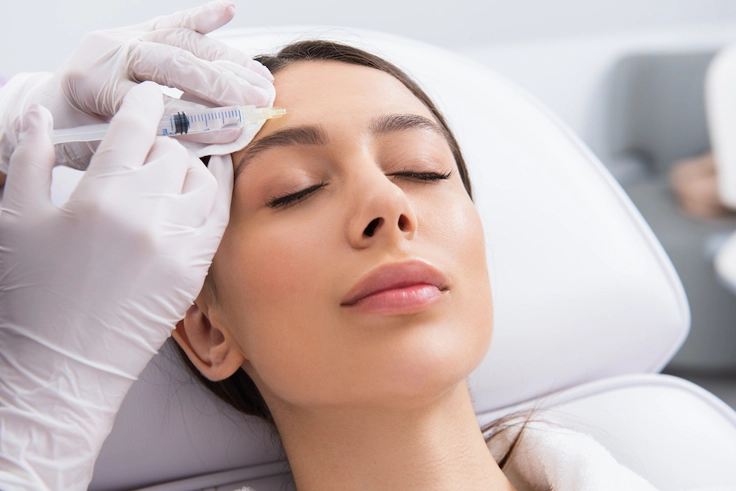
Skincare is no longer limited to improving how the skin looks on the surface. Many treatments now focus on how the skin functions at a deeper level. This shift has brought attention to PDRN in skincare, especially in clinical treatments where long-term skin health matters. At the same time, not every promoted treatment delivers consistent results. Some work only when used in the right setting. PDRN is often described as a solution for skin repair and early aging, but its benefits depend on how it is used in practice. This article explains its clinical role and whether it justifies the attention it receives.
What exactly is PDRN in Skincare?
Polydeoxyribonucleotide (PDRN) is a medical compound that is a purified version of DNA-based compound. It is primarily prepared out of salmon in a controlled process that eliminates proteins and is safe.
Because of its structure, PDRN is generally well accepted by human skin cells and does not trigger strong immune reactions. This makes it useful in dermatology, where treatments need to be gentle and predictable. It was initially applied in wound care, where it was aimed at improving the recovery of damaged tissue in a better way.
PDRN is not designed to act at the surface like ordinary skincare ingredients. It is applied to help the skin in healing itself internally, particularly in stressed or damaged areas.
How PDRN Supports Skin Repair?
The effect of PDRN skin treatment starts once it is delivered into the skin, where it breaks down into smaller molecules. These smaller components act within the skin, especially in areas that are already stressed or damaged. Rather than triggering a strong response, PDRN works along with the skin’s existing repair process.
What happens within the skin:
- Helps control excess inflammation that slows down healing
- Supports fibroblast activity, which is needed for collagen production
- Improves the overall repair response in stressed or damaged skin
Over time, this leads to stronger skin structure and better function. The changes are gradual, as the process is based on repair rather than quick surface correction.
Where PDRN is Used in Skin Treatments?
In practice, PDRN is used in cases where the skin needs support during recovery, not quick correction. It is usually part of a treatment plan for concerns like early aging changes, uneven texture, or sensitivity after procedures.
Results are not immediate. The changes build over time as the skin responds better and becomes more stable with each session.
Common use cases:
- Skin recovery after procedures like microneedling
- Mild textural changes or uneven skin surface
- Skin that reacts easily to stronger treatment
Who Can Benefit from PDRN Treatment?
PDRN is usually considered when the skin needs support rather than direct correction. It is not limited to one concern but is used across conditions where recovery is slower or uneven.
Typically considered for:
- Early signs of aging where skin quality starts to change
- Skin recovering after procedures like microneedling or lasers
- Mild acne scars or uneven texture
- Skin that reacts easily to stronger treatments
It is generally chosen when the focus is on improving how the skin responds over time rather than quick visible changes.
How PDRN is Delivered in Treatments?
PDRN is not typically used as a standalone topical product. In clinical settings, it is delivered in ways that allow it to reach deeper layers of the skin.
Common delivery methods:
- Micro-injections, often as part of mesotherapy
- Application during microneedling procedures
- Use alongside other treatments when needed
This is one reason clinical results differ from over-the-counter products
PDRN Compared with Other Skin Treatments
PDRN is often discussed along with treatments like PRP, hyaluronic acid, and fillers, but it serves a different purpose. It is not used for adding volume or quick hydration.
How these treatments differ:
- PRP depends on the patient’s blood quality, so results can vary
- Hyaluronic acid mainly improves moisture levels in the skin
- Fillers are used to adjust volume and contour
- PDRN is used to support the skin’s repair process from within. For this reason, it is usually added to a treatment plan rather than used on its own.
Safety & Practical Limitations
PDRN is generally well tolerated in clinical use when properly purified. Any reactions are usually mild and limited to the treated area, settling within a short time.
What to keep in mind:
- Temporary redness or mild swelling after treatment
- Not suitable for individuals with seafood-related allergies
- Should be avoided in active skin infections or certain medical conditions
Another limitation is how it is delivered. Topical forms have limited penetration due to the size of the molecule, which reduces how much reaches deeper skin layers
PDRN Skincare Treatment for Long Term Skin Repair Results
PDRN is different from standard skincare ingredients. It is not meant for quick visible changes but for supporting how the skin repairs and maintains itself over time. When used in clinical settings, it shows steady improvement in skin recovery and overall function. In day-to-day practice, this means using PDRN only when it fits the skin’s condition and treatment plan. At Bonitaa Skin & Hair Care, it is used in the same way, mainly in cases where the skin needs support during recovery or when improving overall outcomes is the goal. This makes PDRN less about hype and more about how it is applied in the right setting.

