
Melasma vs Hyperpigmentation Causes & Treatment Differences
Face pigmentation is one of the most popular reasons for people visiting skin care centers. Others see the dark marks, or brown patches, that gradually emerge over time without any apparent skin injury. Both these issues are often referred to as pigmentation, although they don't always go together.
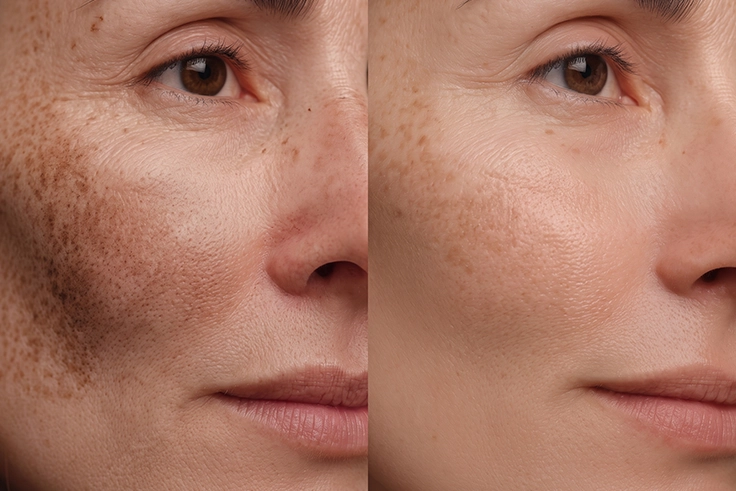
Melasma cannot be compared to hyperpigmentation in trigger, skin appearance or treatment. It is important to know these differences to help reduce any unneeded treatments, and to start treatment for pigmentation.
Recognising Hyperpigmentation Signs, Causes & Triggers
One of the most frequent causes of dark spots on skin is hyperpigmentation. These marks often appear following the healing of acne, a pimple, a small wound or an annoyance of the skin. The colour will only manifest in the damaged region, which means the initial skin problem could be resolved, leaving the colour more noticeable.
As the skin heals, it can make more melanin, the natural pigment in the skin that gives it color. This leaves a darker mark that will fade over time but at varying speeds for each individual.
Hyperpigmentation is commonly associated with:
- Acne and pimple marks
- Cuts, burns, or minor skin injuries
- Insect bites
- Allergic skin reactions
- Certain cosmetic procedures
- Frequent sun exposure
Hyperpigmentation is typically in the form of patches or spots, not large areas of pigmentation. Some marks fade within a few months, others could be visible for longer, depending on causes, skin type and exposure to the sun on a daily basis.
Recognising Melasma Signs, Triggers & Facial Patterns
The spots are typically broader and brown or grey-brown, rather than dark. Patches are most often found on the cheeks, forehead, upper lip, and both sides of the face, and tend to appear on both sides. Melasma does not happen immediately after an acne or injury to the skin, it may gradually manifest on the skin.
Some of the common factors linked to melasma include:
- Hormonal changes during pregnancy
- Hormonal medications or contraceptives
- Regular sun exposure
- Heat exposure
- Family history in some individuals
Unlike other types of pigmentation, melanism does not go away. These patches can darken in sunlight, and may improve with treatment, but can also reappear if underlying factors continue. That's why continuous skin care and daily sun protection are a part of long-term management.
Melasma vs Hyperpigmentation: Key Differences
Melasma and hyperpigmentation often have similar appearances, but these compounds differ in their appearance, location and evolution.
| Feature | Hyperpigmentation | Melasma |
|---|---|---|
| How it usually develops | Often appears after acne, skin irritation, or an injury. | Develops gradually, commonly due to hormonal changes and sun exposure. |
| Appearance | Individual dark spots or uneven patches. | Larger brown or grey-brown patches. |
| Common areas | Face or any area affected by irritation. | Mainly the cheeks, forehead, nose, and upper lip. |
| Pattern | Usually scattered or limited to the affected area. | Often appears on both sides of the face in a similar pattern. |
| Chance of recurrence | Less likely once the cause has resolved. | More likely to return if the triggers continue. |
This comparison is an overall guideline. The most effective method for determining the type of pigmentation prior to treatment is a professional skin evaluation.
Why Identifying Your Pigmentation Type Matters
The pigmentation can be identical on the outside, but with a different cause on the inside. Skincare products or skincare treatments that are supposed to be used for all pigmentations might not work on all types of pigmentations, particularly if the pigmentation is not diagnosed correctly.
Understanding if the pigmentation is due to melasma or something other than hyperpigmentation can assist you when picking an ideal treatment for your skin. It also helps to save time and to help patients know what they can anticipate in their treatment.
Can Melasma and Hyperpigmentation Be Treated?
Melasma or hyperpigmentation can be treated, however the treatment will vary based on type of pigmentation and its depth. Some may only require a single treatment; others may need multiple treatments over time.
Depending on the condition, treatment may include:
- Prescription topical medications
- Chemical peels
- Laser-based treatments
- Other dermatologist-recommended procedures
Results may differ from individual to individual. Some forms of hyperpigmentation may clear up sooner, and melasma can recur, thus the need for more long-term management. Implementing good skin care practice and regular sun protection after care help to keep the results lasting.
Simple Ways to Prevent Future Skin Pigmentation
Not every pigmentation is avoidable, but there are a couple of basic skincare practices that can help minimize the danger of dark spots and patches.
- Use a broad-spectrum sun block daily.
- Minimize direct sun during peak hours.
- Early treatment of acne to prevent post-acne marks.
- Don't pick or scratch bumps or healing skin.
- Use a kind skin care regimen for your particular skin.
- Only use active skin care under professional supervision.
Choosing the Right Pigmentation Treatment for Your Skin Type
Melasma and hyperpigmentation are popular skin worries, however they do not automatically coincide and are not treated in a similar way. It's easier to pick a method if you can do this early on than if you have to experiment to find a solution that works for your skin.
At Bonitaa Skin & Hair Clinic, we first identify the type and possible cause of your pigmentation before recommending treatment. From identifying different types of skin pigmentation to creating a personalized treatment plan, our team guides you through every stage of care while also providing practical skincare and sun protection advice to help maintain healthier-looking skin over time.