
Modern Hair Restoration Guide to SHI Hair Transplant
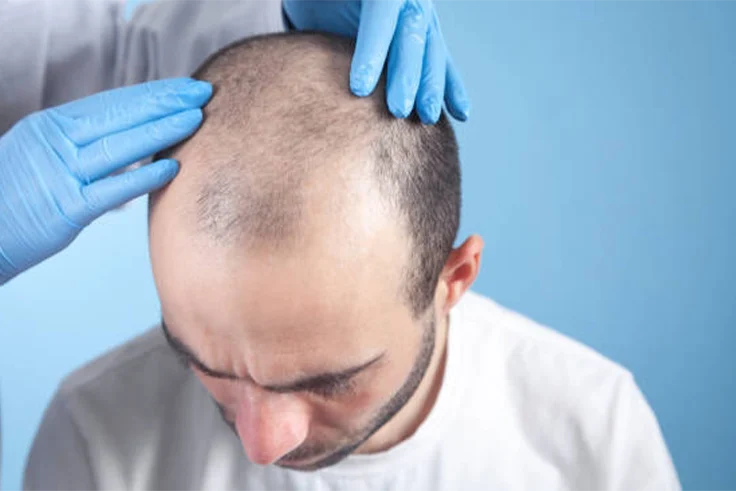
Hair loss often appears slowly without clear warning signs. Some people notice it in old photographs, others see more hair falling in the shower, and some simply feel a visible change when they look in the mirror.
At that stage, many begin searching for a solution that offers lasting results instead of temporary fixes like shampoos or supplements. This is where hair transplant options come into consideration, and SHI has become one of the commonly discussed modern techniques for hair restoration.
What Is SHI Hair Transplant?
SHI stands for Simultaneous Harvesting and Implantation. The name tells you exactly what makes it different.
Traditional hair transplant methods usually follow a two stage process. First, the surgeon removes grafts from the donor area. After all the grafts are collected, the implantation phase begins.
This creates a time gap between extraction and placement, where the harvested follicles remain outside the scalp for a period before being implanted.
SHI collapses that gap. Harvesting and implantation happen at the same time. While one part of the team extracts grafts from the donor area, another part is already placing them into the recipient zone. The follicles spend the least amount of time possible outside the scalp.
That's not a small thing. Follicle survival is directly tied to how long grafts are kept out of the body. The shorter that window, the better the outcome.
How SHI Actually Works
The mechanics of SHI require a coordinated two-team approach. It's more operationally demanding than sequential methods, which is part of why not every clinic offers it.
Consultation and planning
Comes first, same as any transplant. The surgeon maps the recipient area, calculates graft requirements, designs the hairline, and assesses the donor zone. Planning matters more here because both phases need to run in sync — the extraction rate and implantation rate have to stay matched throughout the procedure.
Simultaneous extraction and implantation
Is where SHI sets itself apart. One team works on the donor area using a micro-punch tool to extract follicular units one by one. Simultaneously, a second team opens recipient channels and places grafts into them. Follicles move from scalp to scalp with minimal delay.
No holding period
In conventional FUE grafts often sit in a preservation solution for an hour or more — sometimes several hours in longer sessions. With SHI, that holding time is reduced to the bare minimum. Each graft goes in almost as soon as it comes out.
Why the Timing Matters So Much
Follicles are living tissue. Outside the body, they start deteriorating. Not immediately, but the clock starts the moment they're extracted.
Most transplant techniques use chilled preservation solutions to slow that process down. It helps. But it doesn't stop it. The longer a graft waits, the more cellular stress it accumulates, and the higher the risk of it not surviving after implantation.
Studies in hair restoration consistently point to out-of-body time as one of the key variables in graft survival rates. SHI addresses that variable directly. By eliminating the wait, it gives each follicle the best possible conditions to take root and grow.
For patients, this translates into higher graft survival, more reliable density, and less risk of patchy results from follicles that didn't make it.
SHI vs Traditional FUE
Both techniques use follicular unit extraction. The difference is in how the workflow is structured.
Standard FUE is a two-phase procedure. Extract everything first, implant everything second. It's effective and widely performed, but grafts can spend a considerable amount of time in holding — especially in large sessions involving 2,000 or more grafts.
SHI runs both phases together. The result is shorter out-of-body time across the board. In large sessions especially, the difference in graft survival can be meaningful.
There's also a procedural efficiency angle. Because implantation begins earlier in the session, the overall time a patient spends in surgery can be comparable to standard FUE despite the added coordination involved.
The tradeoff is complexity. SHI requires more people in the room, more coordination, and a team experienced enough to keep both processes running smoothly together. Clinics that do it well have invested significantly in training and workflow.
Who Should Consider SHI Hair Transplant Treatment?
SHI hair transplant works best for people who meet certain basic conditions related to hair loss and scalp health.
- Strong donor area with good hair density to support graft extraction
- Mid stage hair loss where coverage goals are still achievable
- Healthy scalp that allows smooth extraction and implantation
- Stable hair loss pattern without rapid ongoing shedding
- Realistic expectations about final density and coverage limits
- Sufficient donor supply since results depend on available follicles
What SHI Hair Transplant Results Look Like
- Transplanted hair sheds within 2 to 4 weeks after SHI hair transplant
- Follicles remain active even after shedding phase
- New hair growth starts around 3 to 4 months
- Visible improvement appears by 6 months
- Full results develop in 12 to 18 months
- Higher graft survival supports better density results
- Results are permanent for transplanted follicles
- Native hair may still thin without medical support
- Maintenance treatments may be advised to slow ongoing hair loss
SHI Hair Transplant Recovery Timeline
Day 1 to Day 3
This is the most sensitive phase. Swelling may appear and can move toward the forehead. Mild soreness is common, but it is usually manageable. Most people prefer to rest during this period.
Day 4 to Week 1
Small scabs begin to form around the transplanted grafts. It is important not to touch or scratch the area. Gentle washing usually starts within a few days as guided by the clinic.
Week 2 to Week 3
Redness starts to reduce and the donor area begins to heal. The scalp starts to look more natural and daily activities feel easier to resume.
Week 3 onward
Most visible recovery is complete, but new hair growth takes time. Shedding of transplanted hair may happen before fresh growth begins.
For Queries About SHI Hair Transplant Treatment
Does SHI hair transplant hurt?
Local anesthesia is used during the procedure. The numbing injections may cause brief discomfort, but the surgery itself feels more like pressure than pain. Mild soreness can continue for a few days after a SHI hair transplant.
Is SHI hair transplant permanent?
Yes, transplanted hair from SHI hair transplant is generally permanent. However, existing natural hair around the treated area may continue to thin over time if not medically managed.
How many grafts are needed in SHI hair transplant?
The number of grafts in SHI hair transplant depends on the level of hair loss and desired density. A hairline correction may need around 1,000 to 1,500 grafts, while larger crown restoration can require 3,000 grafts or more after proper evaluation.
Can women undergo SHI hair transplant?
Yes, SHI hair transplant for women is possible. Female pattern hair loss usually involves diffuse thinning, so planning is done carefully based on donor area strength and overall scalp condition.
Choosing the Right SHI Hair Transplant Clinic
The success of any technique comes down to the expertise of the people performing it. SHI is more operationally demanding than standard FUE — it requires experienced, well-coordinated staff who've done it enough times to keep both phases running smoothly together.
When evaluating a clinic, look at before-and-after photos from patients with hair loss patterns similar to yours. Understand who is responsible for the implantation process and whether the surgeon oversees it end to end. Ask for details on graft survival rates. . Ask how many procedures they perform per day and how many staff are involved in a typical SHI session.
Any clinic that guarantees specific outcomes before examining your scalp is one to walk away from.
Understanding SHI Hair Transplant Costs in India
In India, hair transplant costs are usually based on a per-graft price, typically ranging from ₹40 to ₹120 per graft. Because high-precision procedures require more specialized equipment and a larger surgical team, they generally sit on the higher end of that scale.
Typical Price Ranges (2026):
- Minor Work (1,000 grafts): ₹40,000 – ₹80,000
- Moderate Coverage (2,000 grafts): ₹80,000 – ₹1,60,000
- Full Restoration (3,000+ grafts): ₹1,20,000 – ₹3,20,000+
What Affects Your Price:
- Technique: Precision methods used in SHI cost more than basic procedures.
- Location: Clinics in major metros like Delhi or Mumbai often charge a premium for their facilities.
- Added Costs: Check if your quote includes 18% GST, post-op medications, and follow-up care, which can add significant costs.
How to get a real quote: Skip the general estimates and book a digital consultation. By sending photos to a reputable clinic, a surgeon can analyze your specific hair density and provide an exact, personalized price.
Restore Your Confidence with SHI Hair Transplant at Bonitaa
SHI marks a meaningful step forward in hair transplant treatment. By reducing the time follicles stay outside the body, it improves graft survival, delivers better density, and produces results that closely match the original plan.
This technique demands a high level of skill, coordination, and experience, which is why it is not offered everywhere. Choosing the right clinic matters just as much as choosing the technique itself.
At Bonitaa Skin & Hair Care, SHI hair transplant treatment is delivered with careful planning, precise execution, and close medical involvement at every stage. A detailed consultation helps set realistic expectations and clearly defines what results are achievable for your hair.

