
How Dermal Fillers Restore Volume and Enhance Facial Definition
Facial ageing involves more than the appearance of wrinkles. Changes in facial volume and tissue support can affect the cheeks, jawline, chin and under-eye area over time. Dermal fillers may be used to restore selected areas of lost volume and improve facial definition.
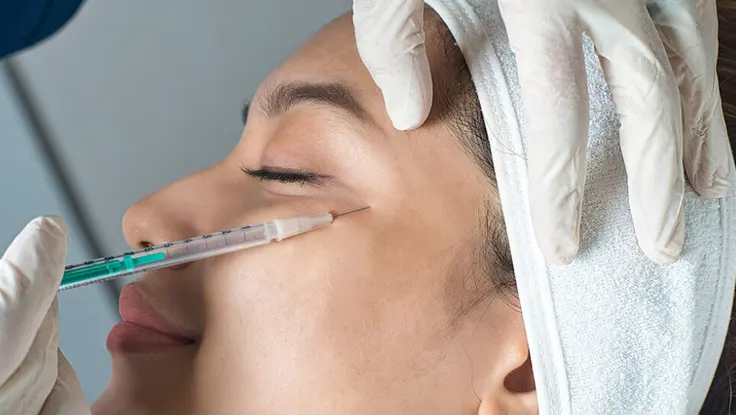
Treatment depends on the area being treated, and your own facial structure. Instead of bulking up your entire face, your dermatologist can determine where exactly filler can add volume to help achieve balance and proportion.
Which Areas Can Dermal Fillers Improve?
Dermal fillers may be used in different areas of the face depending on the individual's anatomy and treatment goals.
| Facial Concern | How Dermal Fillers May Help |
|---|---|
| Cheek volume loss | May restore selected areas of lost volume and improve cheek definition. |
| Under-eye hollows | May improve the appearance of under-eye hollowing in carefully selected patients. |
| Jawline definition | May enhance the appearance of lower-face definition where appropriate. |
| Chin projection | May improve chin definition and facial proportions in selected cases. |
| Lip enhancement | May add volume or improve lip shape, balance and definition. |
| Nasolabial folds | May soften the appearance of selected facial folds and lines. |
| Selected depressed acne scars | May improve the appearance of certain atrophic or depressed acne scars when clinically appropriate. |
Remember: Dermal fillers are not suitable for every facial concern. A clinical evaluation will need to be carried out to see if fillers are suitable, or if another treatment may be better.
How Are Dermal Fillers Selected for Different Areas?
The type of dermal filler will depend on the area of treatment, the volume and desired outcome. The face and its shape, and the volume you currently have in your face is also considered, as well as the skin type and the general facial proportions.
Treatment areas may have different amounts, types and locations of fillers. For instance, cheek treatment may target the restoration of volume and contour support, whereas lip treatment might need a different treatment to enhance shape, balance, or definition. The under eye area is critical since there is so much fine tissue.
The injection and quantity used also relies on the specific facial structure of the individual. The focus is on achieving a balanced, natural look, not bulking it up. The treatment option you will be given during your consultation will depend on your needs and expectations.
When Dermal Fillers May Be Combined With Other Treatments
The primary purposes of dermal fillers are to restore facial volume, enhance the definition and soften targeted folds and lines. But they cannot solve issues like wrinkles, skin texture and pigmentation. Your dermatologist may suggest another treatment in addition to fillers to help address these concerns based on your specific situation.
For Dynamic Wrinkles
If there is also a dynamic wrinkle, which is caused by repetitive facial movements, Botox Treatment may be recommended. Botox can help to smooth out muscles, and dermal fillers can add volume and support to specific areas.
For Skin Texture and Acne Scars
If there are also areas of uneven skin texture or acne scars, treatments like MnRF (Micro-Needle Radio Frequency), Microdermabrasion or specific Skin Peels can be taken into account. These treatments act on the skin and the underlying tissue, and fillers can enhance the look of specific sunken scars or volume loss areas.
For Other Skin Concerns
If pigmentation or uneven skin tone or overall skin quality is also a concern, your dermatologist may offer a treatment program including Q-Switch Treatment, ND Yag Laser Treatment, Skin PRP Treatments or selected peels depending on your skin condition.
Who May Benefit From Dermal Fillers Treatment?
You may consider dermal fillers treatment if you:
- Have lost facial fullness in the cheeks or other areas of the face.
- Have under-eye hollows, facial folds or reduced jawline definition.
- Want to improve facial balance or enhance selected facial features without surgery.
- Have selected depressed acne scars that may be suitable for filler treatment.
- Prefer a non-surgical approach to selected facial rejuvenation concerns.
The appropriate treatment depends on your facial structure, concerns, medical history and the areas you want to improve.
Aftercare Tips Following Dermal Fillers Treatment
- Avoid touching or massaging the treated area unless advised.
- Avoid strenuous exercise and excessive heat for the first 24–48 hours.
- Protect your skin from excessive sun exposure.
- Stay hydrated and follow the aftercare instructions provided by your dermatologist.
- Contact your dermatologist if you experience unusual swelling, significant pain, skin colour changes or persistent discomfort.
Dermal Filler Safety and Suitability
Dermal fillers should be injected by a properly-trained healthcare provider, following a personalized evaluation. There may be some swelling, redness, bruising, tenderness or discomfort following treatment which will subside over time.
In rare cases, filler may work its way into a blood vessel and cause serious problems, such as tissue damage, vision loss or stroke. Therefore, the type of filler, the area you're putting it in, the quantity, and the method of injection should be tailored to your face, medical history and desired treatment objectives.
A medical practitioner should be consulted to see if dermal fillers are the right treatment for you, and whether an alternative treatment may be better.
Dermal Fillers Treatment at Bonitaa Skin & Hair Care
At Bonitaa Skin & Hair Care, dermal fillers treatment begins with an assessment of your facial structure, existing volume and the areas you want to improve. We do not follow a standard protocol for every face, but rather evaluate the treatment area, the type and amount of filler required. Precise placement and balanced correction is the focus, preventing an "over-filled" look, while including areas like cheek, chin definition, lip enhancement and selected facial folds which need to be corrected. The treatment process is guided by FDA-approved filler options and suitable follow up support.
