Under-Eye Dark Circles: Why They Persist & How to Treat Them
You sleep well, maybe even better than you used to, but the dark circles are still there. It can be frustrating. Tiredness can make the eye area look darker, but it is far from the only cause. Dark circles can run in the family or develop due to allergies, loss of skin volume or changes in pigmentation.
That’s why sleep, eye creams and home remedies don’t always work. Two people can have dark circles that look alike but have completely different underlying causes. Understanding what causes yours helps you decide whether skincare or clinical treatment is the right approach.
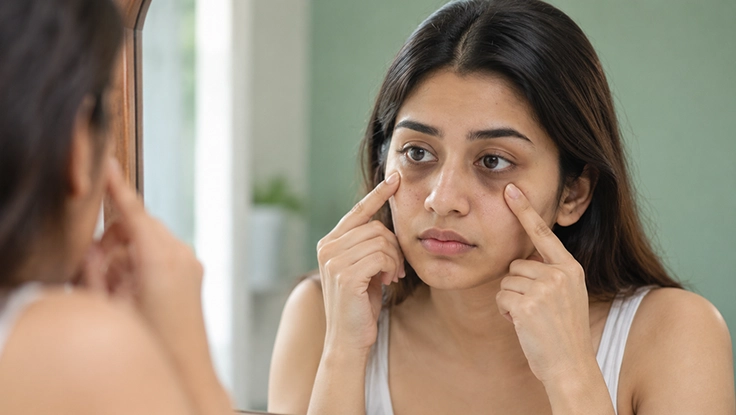
What Makes Dark Circles Stay Even When You Sleep Well?
Skin around the eyes is thinner and more delicate than skin elsewhere on the face. So whatever is happening underneath shows through more easily. Dark circles around the eyes are commonly referred to as periorbital dark circles, and several different processes can produce them.
Some people simply inherit darker pigmentation under the eyes. For others, the cause is irritation. Allergies, eczema and constant eye rubbing can leave the skin darker over time. Sun exposure plays a part too, since it boosts melanin and makes existing pigmentation stand out more.
With age, the skin loses collagen and the tissues that support the under-eye area become thinner. This can create hollows beneath the eyes, casting shadows that resemble dark circles even when the skin has no significant pigmentation.
The Different Types of Under-Eye Dark Circles
The colour and shape of the area can give you a first clue about what’s going on.
- Pigment-related dark circles: These look brown or dark brown. They can be hereditary, or they can follow sun exposure, allergies, eczema or repeated rubbing. The colour generally remains visible under different lighting conditions.
- Vascular dark circles: A blue, purple or reddish tint can mean blood vessels are showing through thin skin. Poor sleep, allergies and puffiness can make this look worse. Extra rest, though, may not fix the root cause.
- Structural dark circles: Here the darkness comes from the shape of the area and not from skin colour. A tear trough is the hollow between the lower eyelid and the cheek. It can throw a shadow, and the shadow gets stronger under overhead lights.
- Mixed dark circles: Many people have more than one cause at the same time. Natural pigmentation, thin skin and a tear trough hollow can all show up together. It’s one reason a treatment that worked well for a friend may do little for you.
How Do Dermatologists Identify the Cause?
Colour and appearance give a first clue. They can’t confirm a diagnosis on their own. A dermatologist looks at several things:
- Colour: Brown shades point to pigmentation. Blue or purple tones can mean blood vessels are showing through.
- Lighting: A tear trough shadow gets stronger under overhead light. It softens when light hits the face directly.
- Skin examination: How the pigment is spread and how deep it sits helps separate surface colour changes from deeper causes.
- Medical & family history: Allergies, eczema, a family pattern of dark circles and other symptoms can all help with the diagnosis.
Some dermatologists also use dermoscopy or a Wood’s lamp to check the pigment and its depth. These tools help tell the causes apart before any treatment starts.
Types of Treatments for Under-Eye Dark Circles
The treatment approach depends on the cause of the dark circles. Common options include:
- Topical Treatments: Help manage superficial pigmentation and improve uneven skin tone.
- Chemical Peels: May reduce superficial pigmentation and support skin renewal.
- Q-Switched Laser Treatment: Targets selected pigment deposits beneath the skin.
- Platelet-Rich Plasma (PRP) Treatment: May improve skin quality and support collagen remodelling.
- Hyaluronic Acid Fillers: Help restore under-eye volume and reduce shadows caused by hollowness.
- Combination Treatments: Address multiple causes when pigmentation, thin skin and hollowness occur together.
A dermatologist can recommend suitable treatments after assessing the underlying cause and the condition of the under-eye area.
Book Your Under-Eye Dark Circles Treatment in Coimbatore
Dark circles that persist despite good sleep need more than general skincare. Pigmentation, visible blood vessels and structural hollowness each have different causes, so finding the main one comes before choosing any treatment.
At Bonitaa Skin & Hair Care, Coimbatore, treatment choices depend on your skin condition and clinical suitability. Chemical peels are used for selected pigmentation concerns. Q-switched laser may help target selected pigmentation, while PRP may support skin quality and collagen remodelling. Which one fits depends on the underlying cause, your skin type and what the treatment demands.
If you’re looking into under-eye dark circles treatment in Coimbatore, Bonitaa starts by working out what’s contributing to your dark circles. We choose personalized skincare treatments and set realistic expectations with you, instead of offering the same fix to everyone.
Questions About Under-Eye Dark Circles Treatment
They may, when excess melanin is the cause. Carefully chosen peeling agents such as lactic acid help remove superficial pigmented cells and encourage skin renewal. The under-eye area is sensitive, so the agent, the concentration and the application all have to suit your skin. An overly aggressive peel can irritate the area and even worsen pigmentation, especially in darker skin tones.
It’s a treatment for pigment that sits deeper in the skin, where topical products and light peels may not do much. Targeted energy breaks selected pigment deposits into fragments, and the body clears them gradually over time.
No. It depends on the type and depth of the pigment. Your skin tone and the risk of post-inflammatory pigmentation need to be weighed before you go ahead.
It may, in some cases. PRP stands for Platelet-Rich Plasma, which is made by concentrating platelets from your own blood. These platelets release growth factors that may support tissue repair and collagen remodelling. Doctors may consider it when thin, crepey skin and poor skin quality add to the dark look.
No. PRP doesn’t remove pigment directly, and results differ from person to person. A deep tear trough is also beyond what PRP can correct alone.
When hollowness under the eyes is the main reason for the darkness. Hyaluronic acid fillers may help restore volume and soften the shadow.
They aren’t suitable for everyone. Existing puffiness, loose skin and your under-eye anatomy all need a careful look first. Poorly chosen or badly placed filler can lead to swelling, unevenness and other complications.
Daily habits can keep some contributing factors in check, though they can’t change inherited pigmentation or the structure of your face. Helpful steps include:
- Wearing a suitable broad-spectrum sunscreen and UV-protective sunglasses
- Avoiding eye rubbing, especially when allergies or irritation flare up
- Getting persistent allergies and eczema treated by a doctor
- Keeping regular sleep habits and managing whatever causes morning puffiness
Don’t brush these signs off as a cosmetic issue. See a doctor if dark circles show up suddenly, affect only one eye, or come with swelling, unusual tiredness or paleness.